

PRP vs Cortisone Injections: Which Fits?
If joint pain is keeping you from workouts, golf, long workdays, or simply getting through the week comfortably, the question of PRP vs cortisone injections becomes very practical very quickly. Both are used to treat pain and inflammation, but they work in very different ways, and that difference matters when your goal is not just short-term relief, but better function over time.
For many patients, the right choice depends on what is actually driving the pain. A treatment that calms inflammation can be useful in one situation, while a treatment intended to support tissue repair may make more sense in another. The best plan is rarely about choosing the newest option or the fastest option in isolation. It is about matching the treatment to the tissue, the timeline, and the person.
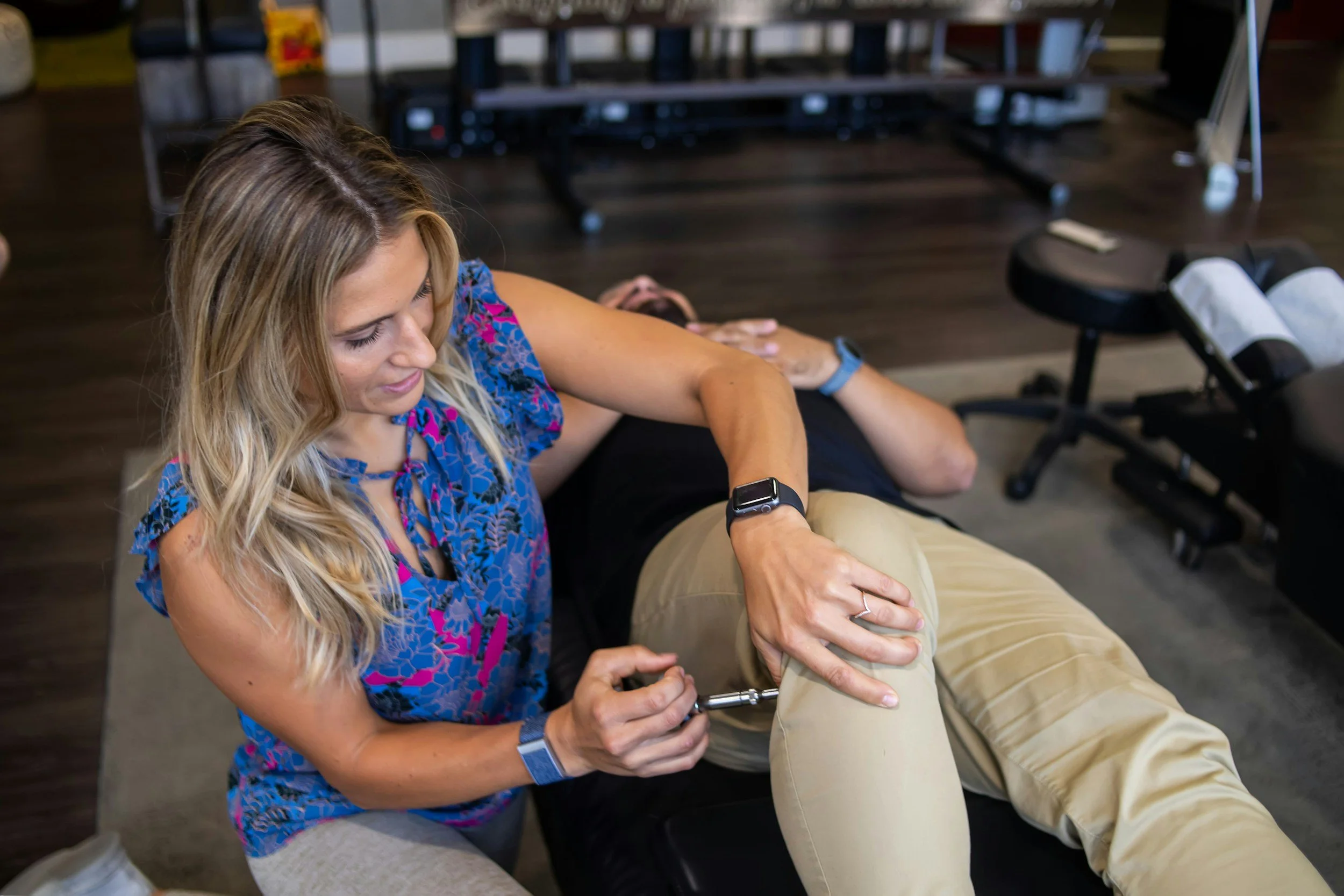
PRP vs cortisone injections: the core difference
Cortisone injections are anti-inflammatory. They are designed to reduce irritation in a painful area, which can decrease swelling and improve comfort relatively quickly. This is one reason cortisone has remained a common tool in pain management for decades.
PRP, or platelet-rich plasma, takes a different approach. It uses a concentrated portion of your own blood that contains platelets and growth factors. Instead of primarily suppressing inflammation, PRP is generally used to support the body's healing response in certain injured or degenerative tissues.
That distinction is central. Cortisone is often chosen when the immediate priority is calming pain. PRP is often considered when the goal is to promote a more restorative response, especially in chronic tendon, ligament, or joint conditions where tissue quality has become part of the problem.
When cortisone may be the better choice
Cortisone can be very helpful when inflammation is the main issue and pain relief is needed quickly. Patients with a significant flare of arthritis, bursitis, or joint inflammation may experience noticeable improvement within days. In some cases, this can create enough relief to allow physical therapy, improved sleep, or a return to daily movement.
This matters because pain itself can create a cycle. When you stop moving well, muscles weaken, joints stiffen, and compensation patterns develop. A cortisone injection may interrupt that cycle long enough to regain momentum.
Still, faster is not always better in the long term. Cortisone is not typically viewed as a regenerative treatment. It may reduce symptoms without meaningfully improving the underlying tissue condition. Repeated use in some areas can also raise concerns about tissue weakening, especially around tendons or cartilage-sensitive joints. That is why thoughtful timing and physician guidance are important.
When PRP may be the better choice
PRP is often more appealing when pain is tied to chronic wear, tendon injury, overuse, or mild to moderate joint degeneration. Think of the patient with ongoing knee pain that keeps returning, tennis elbow that never fully settles, or a tendon issue that improved briefly with rest but continues to limit activity.
In these cases, the question is not only how to quiet pain today, but how to support stronger function in the months ahead. PRP is commonly used in musculoskeletal care because it aims to work with the body's own repair signaling. That does not mean results are instant. In fact, they usually are not.
Many patients notice PRP works on a slower curve. Some feel soreness at first, then gradual improvement over several weeks. That timeline can frustrate someone looking for immediate relief, but it may be acceptable, or even preferable, for a patient focused on recovery and tissue support rather than a temporary reset.
What the research suggests
The evidence is not identical for every condition, which is why blanket statements can be misleading. Cortisone has a long history of use and can be highly effective for reducing inflammation and short-term pain. PRP has shown encouraging results in a range of orthopedic and sports medicine applications, particularly in some tendon conditions and certain cases of knee osteoarthritis.
However, outcomes depend heavily on the diagnosis, the severity of the problem, injection technique, and patient factors such as age, activity level, medications, and overall health. Not every painful joint is a good candidate for PRP. Not every inflamed joint should automatically receive cortisone.
A physician-led evaluation matters here. Imaging, physical examination, symptom history, and prior response to treatment all help determine whether the problem is mostly inflammatory, degenerative, mechanical, or a mix of all three.
PRP vs cortisone injections for common pain issues
For arthritis-related flare-ups, cortisone may provide faster symptom control, especially when swelling and inflammation are prominent. If the pain is severe and immediate relief is the priority, this can be a reasonable option.
For chronic tendon problems, PRP is often more attractive because cortisone near certain tendons can carry drawbacks, including concern about weakening tissue over time. A degenerative tendon usually needs more than temporary suppression of irritation.
For knee pain, either treatment may be considered depending on the cause. A patient with an acute inflammatory flare may benefit from cortisone, while a patient with ongoing degenerative knee discomfort who wants a more restorative strategy may be a better fit for PRP.
For shoulder pain, the answer depends on the structure involved. Bursitis, arthritis, and tendon injury are not the same problem, even if they all hurt in the same region. Precision in diagnosis changes the recommendation.
Side effects and trade-offs
Neither treatment should be presented as risk-free or universally superior. Cortisone can cause temporary pain after injection, skin changes, elevated blood sugar in some patients, and in certain situations, concern with repeated use in the same area. It can be effective, but it should be used with intention.
PRP is derived from your own blood, which reduces the likelihood of an adverse reaction to a foreign substance. Even so, patients can experience post-injection soreness, swelling, or a temporary increase in discomfort before improvement begins. PRP also requires a blood draw and processing before the injection, which makes the visit somewhat more involved.
The larger trade-off is often this: cortisone may offer quicker relief, while PRP may offer a more biologically restorative approach in the right candidate. But neither is a magic fix, and both work best when paired with the right rehabilitation plan, activity guidance, and follow-up.
Cost, convenience, and expectations
Cost is often part of the PRP vs cortisone injections conversation because insurance coverage can differ. Cortisone is more commonly covered in traditional plans, while PRP is often an out-of-pocket treatment. For some patients, that is a decisive factor.
Convenience also matters. Cortisone may fit someone who needs rapid symptom control before travel, a demanding work period, or a short-term functional goal. PRP may fit someone willing to invest more time in a treatment plan centered on tissue support and longer-range improvement.
Expectations should be realistic either way. If a joint is severely damaged, neither injection may be enough on its own. If biomechanics, strength deficits, or repetitive strain are driving the issue, the injection can only do part of the job.
Who should not decide based on marketing alone
Patients seeking premium, non-surgical care are often drawn to newer treatments, and understandably so. But newer does not automatically mean better for every diagnosis. Likewise, older treatments are not outdated simply because they have been around longer.
The better question is more specific: what is causing your pain, and what outcome are you actually trying to achieve? Immediate relief before an event is different from trying to stay active over the next year. Reducing inflammation is different from supporting a chronic tendon that has struggled to heal.
That is where individualized, physician-supervised care becomes valuable. A thoughtful plan may include one of these injections, neither of them, or an approach that sequences treatment based on timing and response. In a practice such as PrimeCellMed, that kind of decision-making is built around the patient rather than the procedure.
How to think about your next step
If your pain is new, inflamed, and limiting your day-to-day function, cortisone may deserve consideration. If your pain is chronic, activity-related, and tied to tissue wear or recurrent injury, PRP may be the more strategic conversation.
The right answer is often less about which injection sounds better and more about which one fits your diagnosis, health profile, and goals. When treatment is selected with that level of precision, the result is not just pain relief. It is a better chance of moving, working, and living with more confidence again.
A good injection plan should never feel generic. It should feel like it was chosen for your body, your timeline, and the life you are trying to get back to.