

Best Korean Facial Treatments to Consider
Medically reviewed by Kenny Chantasi, DO — Board Certified in Physical Medicine & Rehabilitation (PM&R) and Pain Medicine · Last updated July 20, 2026
When patients ask about the best korean facial treatments, they are usually not looking for a trend. They want clearer skin, better texture, smaller-looking pores, and a healthier glow that does not look overdone. That is exactly why Korean facial treatments have earned so much attention - they focus on skin quality, gradual improvement, and natural-looking results.
What makes these treatments stand out is not a single product or device. It is the treatment philosophy behind them. Korean aesthetic care tends to prioritize hydration, barrier support, refined texture, and prevention, rather than waiting for deeper damage to appear. In a physician-led setting, that approach becomes even more effective because your treatment plan can be matched to your skin condition, downtime tolerance, and long-term goals.
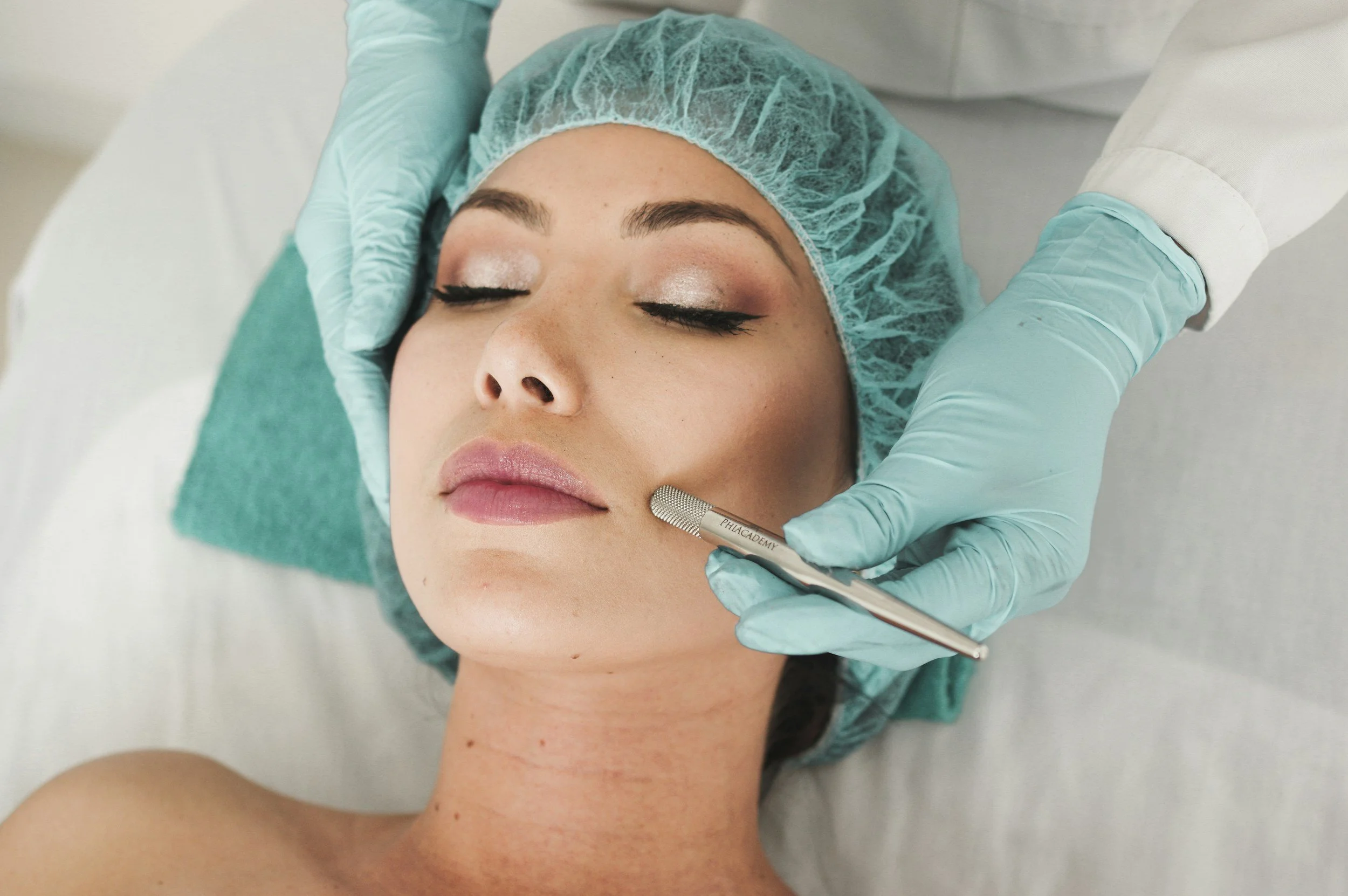
What sets the best Korean facial treatments apart
The best Korean facial treatments are designed to improve the skin as a whole, not just chase one isolated concern. That often means combining exfoliation, hydration, calming ingredients, and collagen-supporting technologies in a way that leaves skin looking refreshed rather than irritated.
For many adults, that balance matters. Aggressive treatment can work in the right patient, but not everyone wants a week of peeling or a red, inflamed recovery period. Korean-inspired facial care often appeals to patients who want visible improvement with a more refined, skin-first approach.
There is also a practical reason these treatments perform well. Many target the issues patients notice first in the mirror - dull tone, rough texture, dehydration, congestion, acne marks, and early laxity. Those concerns can make skin look tired even when wrinkles are not the main issue.
The most effective Korean facial treatments for common concerns
Aqua peels and deep cleansing facials
If your skin looks congested, rough, or tired, a deep cleansing treatment is often the right place to start. Aqua peel-style facials use gentle exfoliation, suction, and infusion of hydrating solutions to clear debris from pores while supporting moisture balance.
This treatment is popular for a reason. It can improve immediate skin clarity without the intensity of a stronger chemical peel or laser procedure. Patients with blackheads, oily skin, mild acne, or a dull complexion often see smoother texture and a cleaner look after even one session.
The trade-off is that results are usually maintenance-based. If you are dealing with deeper acne scarring or significant pigmentation, a cleansing facial alone may not be enough. It works best as part of an ongoing skin health plan.
Korean glass skin facials
The so-called glass skin effect is less about shine and more about smoothness, hydration, and even light reflection. Treatments built around this goal usually combine gentle exfoliation with intensive hydration, soothing serums, and barrier-supportive care.
This can be a strong choice for patients whose skin feels dry, stressed, or uneven but not necessarily severely damaged. It is also a good fit before events because it tends to enhance radiance without forcing dramatic recovery time.
That said, glass skin facials are often misunderstood. They do not erase deeper wrinkles, advanced laxity, or pronounced scarring in one appointment. They are best for improving skin quality and glow, especially when repeated consistently.
Microneedling with Korean regenerative skincare support
Microneedling remains one of the most effective non-surgical options for improving texture, fine lines, enlarged pores, and certain types of acne scarring. When paired with advanced Korean skincare formulations focused on hydration and recovery, it can support a smoother healing process and more refined results.
This is where physician oversight matters. Microneedling is not just a spa treatment when used strategically. Needle depth, treatment frequency, and post-procedure care all influence outcomes. Done well, it can stimulate collagen remodeling while helping the skin look firmer and more even over time.
It is not ideal for every patient on every day. Active acne flares, certain inflammatory skin conditions, and improper aftercare can complicate recovery. A proper consultation helps determine whether it is the right next step or whether your skin needs calming first.
Laser toning and pigment-focused treatments
Uneven tone, post-inflammatory marks, and sun-related pigmentation are common concerns, especially for adults who have spent years trying creams with limited success. Korean aesthetic medicine has helped popularize lighter, more progressive laser approaches that aim to brighten and refine without pushing the skin too hard all at once.
Laser toning can be useful for discoloration, redness, and textural irregularity, depending on the device and your skin type. The benefit is a gradual, controlled improvement that often looks natural. The limitation is patience. These treatments typically work best as a series, not a one-time fix.
Because pigmentation can worsen if the wrong treatment is chosen, this is another area where a medical evaluation matters. Skin tone, melanin activity, and inflammation history should all guide the plan.
Collagen-stimulating facials and lifting treatments
Some Korean facial treatments are less about surface glow and more about firmness and elasticity. These may include energy-based treatments or collagen-supportive procedures designed to improve mild laxity, soften fine lines, and create a tighter, more refreshed appearance.
Patients in their 30s, 40s, and beyond often like this category because it addresses early aging without changing facial character. The goal is restoration, not exaggeration. Skin can look healthier and better supported while still looking like you.
The key is expectation setting. Non-surgical lifting treatments can produce meaningful improvement, but they do not replace surgery in cases of advanced sagging. For the right patient, though, they can delay more invasive procedures and support long-term skin quality.
How to choose the best Korean facial treatments for your skin
The best treatment is the one that matches the reason your skin looks off in the first place. Dull skin from dehydration needs a different plan than dull skin caused by dead skin buildup or pigment. Enlarged pores related to oil production behave differently than pores made more visible by collagen loss.
That is why a customized consultation matters more than a menu description. A patient may think they need an anti-aging facial when the more urgent issue is barrier damage. Someone focused on acne marks may actually need a combination of exfoliation, pigment management, and collagen support.
A smart treatment plan also considers your schedule and tolerance for downtime. Some patients want a lunchtime refresh. Others are willing to commit to a staged protocol that delivers stronger results over several months. Neither approach is wrong. It depends on your priorities.
Why physician-guided care makes a difference
Korean skincare has become widely available, but treatment results depend on more than popular ingredients. In a medical setting, your provider can evaluate skin behavior, not just skin appearance. That includes sensitivity, inflammation patterns, pigment risk, and the possibility that hormonal changes or other health factors are affecting your skin.
This broader view is especially valuable for adults who feel like their skin has changed with age, stress, weight shifts, or internal wellness issues. Sometimes the right facial treatment helps significantly. Sometimes skin concerns improve faster when aesthetic care is paired with a more complete medical approach.
At a practice such as PrimeCellMed, that physician-led model supports both safety and precision. Treatments can be selected for natural-looking improvement, not just immediate intensity.
What results should you realistically expect?
Many patients notice smoother texture, better hydration, and more brightness soon after treatment. Longer-term changes such as collagen remodeling, reduced discoloration, or improved acne scarring usually take multiple sessions and good home care.
Consistency matters more than chasing the most aggressive option. A well-chosen series of treatments often produces better skin than a single harsh procedure followed by months of neglect. This is particularly true for patients who want to preserve natural beauty and maintain healthy skin over time.
It also helps to remember that skin quality is cumulative. Sun exposure, sleep, stress, hormones, and skincare habits all shape the outcome. The best Korean facial treatments can move the needle significantly, but they work best when they are part of a broader plan to support the skin.
If you are considering treatment, start by asking a better question than what is trending. Ask what your skin actually needs now, what level of change you want, and what kind of care will help you get there safely. That is usually where the best results begin.
Frequently asked questions
What are the benefits of Korean facial treatments? They tend to prioritize hydration, barrier support, refined texture, and prevention, improving overall skin quality such as clarity, smoothness, and radiance rather than chasing one isolated concern, with a lower-downtime, skin-first approach.
How often should I get facials, and when will I see results? Many patients notice smoother texture and brightness soon after a session, but Korean-style care is cumulative; a consistent series usually outperforms a single aggressive treatment. Your ideal schedule depends on your skin condition and downtime tolerance.
Medical disclaimer: This article is for general educational purposes only and is not a substitute for professional medical advice, diagnosis, or treatment. Aesthetic treatments should be selected by a qualified provider; candidacy and results vary by individual. Always consult a qualified healthcare provider. To schedule a consultation, contact PrimeCellMed, 2295 S Hiawassee Road, Suite 410, Orlando, FL 32835 (MetroWest, Veranda Park), Monday to Friday 10 AM to 6 PM, at primecellmed.com.