

Are Exosomes FDA Approved? What Patients Should Know
No. As of today, the U.S. Food and Drug Administration (FDA) has not approved any exosome product for the treatment, prevention, or cure of any disease or condition. Exosome-based therapies are considered investigational, which means they are still being studied and are not FDA-approved for general clinical use. If a clinic tells you an exosome product is “FDA approved,” that claim is not accurate, and it is worth asking careful questions before moving forward.
Understanding where exosomes stand with regulators helps you make an informed, confident decision. Below, we explain what exosomes are, how the FDA views them, and what “not FDA approved” actually means for you as a patient.
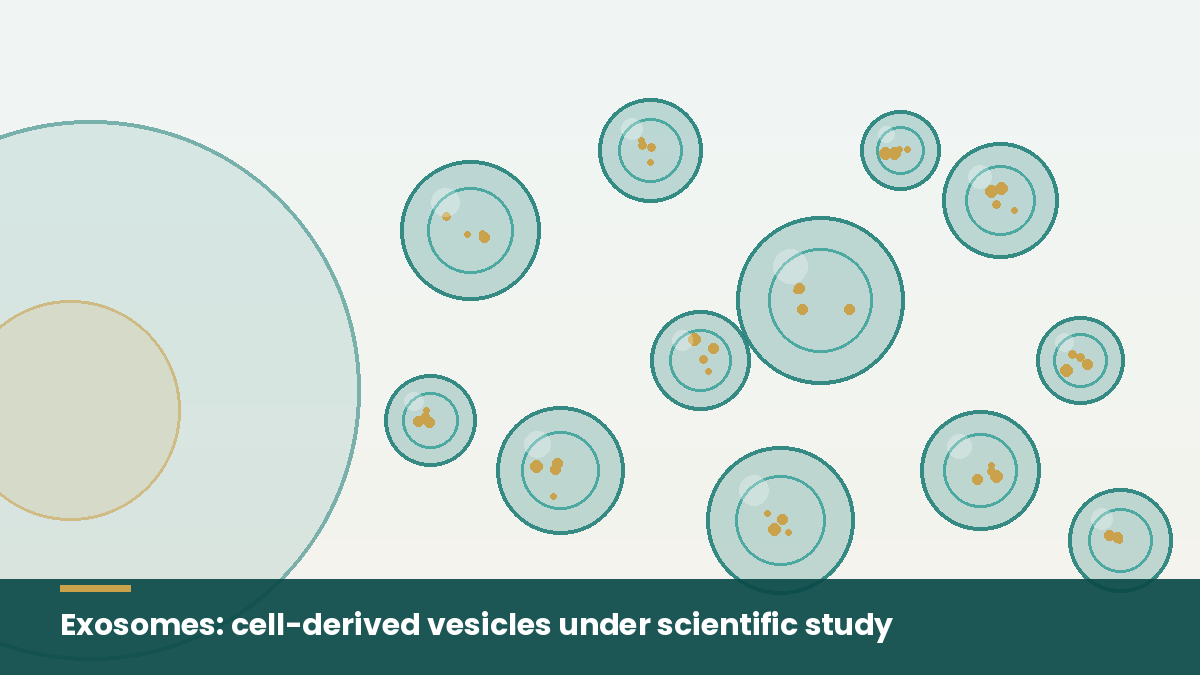
What Are Exosomes, Exactly?
Exosomes are tiny vesicles — think of them as microscopic packages — that cells naturally release. They carry proteins, lipids, and genetic material, and they help cells communicate with one another. Because of this signaling role, researchers are studying whether exosomes may support the body’s own repair and communication processes.
It is important to note that exosomes are not stem cells. They are one of the many messengers that cells, including stem cells, produce. The science around them is actively evolving, but promising in research is not the same as approved for treatment.
How the FDA Regulates Exosome Products
In the United States, exosome products intended to treat a disease or condition are generally regulated as biological drugs. That means a manufacturer would need to complete the FDA’s rigorous review process — including clinical trials that demonstrate safety and effectiveness — before a product could be marketed for a specific medical use.
To date, no exosome product has completed that process for general clinical use. The FDA has publicly cautioned consumers about unapproved exosome products and has issued warnings after reports of adverse events tied to certain unapproved offerings. In short, the agency is watching this space closely, and legitimate providers take that seriously.
What “Not FDA Approved” Means for You
“Not FDA approved” does not automatically mean unsafe, and it does not mean the research is meaningless. It does mean the product has not yet met the FDA’s bar for a specific medical claim, so patients should weigh their options thoughtfully. Here are key points to keep in mind:
No exosome therapy is FDA-approved to treat, cure, prevent, or reverse any disease.
Some exosome products may be offered in the context of legitimate clinical research or under specific regulatory pathways.
Quality, sourcing, and handling can vary widely between providers, which affects safety.
Any provider promising guaranteed, miracle, or proven cure results is raising a red flag.
Your individual health history matters, so this is a conversation to have with a licensed physician.
Questions to Ask Before Considering Exosome Therapy
Being an informed patient is your best protection. Before scheduling any exosome-related procedure, consider asking a provider where the product is sourced and how it is screened, whether the offering is part of a registered clinical trial, what the realistic expectations and known risks are, and what alternatives exist. A trustworthy clinic will welcome these questions and answer them plainly, without pressure or overstated promises.
At PrimeCell Med, we believe good care starts with honest information. We are happy to walk you through what current science does and does not support so you can decide what is right for you.
Frequently Asked Questions
Are exosomes FDA approved for skin, hair, or joints?
No. There are no FDA-approved exosome products for skin rejuvenation, hair restoration, joint conditions, or any other specific use. Some skincare products use the word exosome in marketing, but that is different from an FDA-approved medical therapy.
Is exosome therapy the same as stem cell therapy?
No. Exosomes are messengers released by cells; they are not stem cells themselves. Both are areas of active research, and neither is broadly FDA-approved for most conditions.
Are exosomes safe?
Safety depends on the product, its sourcing, and how it is handled, and the FDA has warned about unapproved products. Because exosome therapies are investigational, potential risks and benefits should be discussed with a licensed physician.
Can I join a clinical trial for exosomes?
Possibly. Some research is being conducted under regulated pathways. A licensed physician can help you understand whether a legitimate study might be appropriate for your situation.
Talk With a Licensed Physician
Curious whether regenerative options make sense for you? The team at PrimeCell Med is here to answer your questions with straightforward, science-based information — no hype, no pressure. Reach out to schedule a consultation and get clarity on your options.
This article is for educational purposes only and is not medical advice. It does not diagnose, treat, or recommend any specific therapy. Most stem cell and exosome therapies are not FDA-approved for most conditions and may be investigational. Always consult a licensed physician before making any medical decisions.
Medically reviewed by Kenny Chantasi, DO.