

7 Best Non Surgical Pain Treatments
Medically reviewed by Kenny Chantasi, DO — Board Certified in Physical Medicine & Rehabilitation (PM&R) and Pain Medicine · Last updated July 20, 2026
Pain changes the way people move long before it changes an X-ray. A knee starts avoiding stairs. A shoulder makes sleep harder. A sore back turns exercise, travel, and even desk work into something you plan around. When patients ask about the best non surgical pain treatments, they are usually asking a deeper question: what can actually reduce pain, improve function, and help me avoid a cycle of temporary fixes?
The answer depends on the source of pain, how long it has been present, and whether the goal is short-term relief, tissue recovery, or both. The most effective plans are rarely one-size-fits-all. They combine precise diagnosis with therapies that match the joint, tendon, nerve, or muscle involved.
What makes the best non surgical pain treatments effective?
A strong treatment plan does more than blunt symptoms for a few hours. It should address why the pain is happening, whether that means inflammation, overuse, instability, arthritis, tendon degeneration, or poor movement patterns. This is where physician-guided care matters. Two people can both say, "my knee hurts," yet need very different treatment paths.
The best non surgical pain treatments usually share three qualities. They are targeted, evidence-based, and part of a broader strategy to restore function. Pain relief without improved movement tends to be short-lived. On the other hand, rehabilitation without controlling pain can make it hard for patients to stay active enough to heal.
1. Regenerative injection therapy for joint and tendon pain
For patients with osteoarthritis, tendon injuries, or chronic overuse pain, regenerative injection therapy has become one of the most compelling non-surgical options. These treatments are designed to support the body’s own repair processes and are commonly used in knees, shoulders, hips, elbows, and other problem areas where wear, inflammation, and degeneration limit comfort and mobility.
This approach is especially appealing to active adults and aging patients who want to stay functional without rushing into surgery. It may help reduce pain and improve performance in cases where traditional conservative care has plateaued. That said, results vary based on tissue quality, severity of damage, and the precision of the diagnosis. It is not a quick cosmetic fix for pain. It works best when paired with a clear rehab plan and realistic expectations.
2. Targeted physical therapy and movement correction
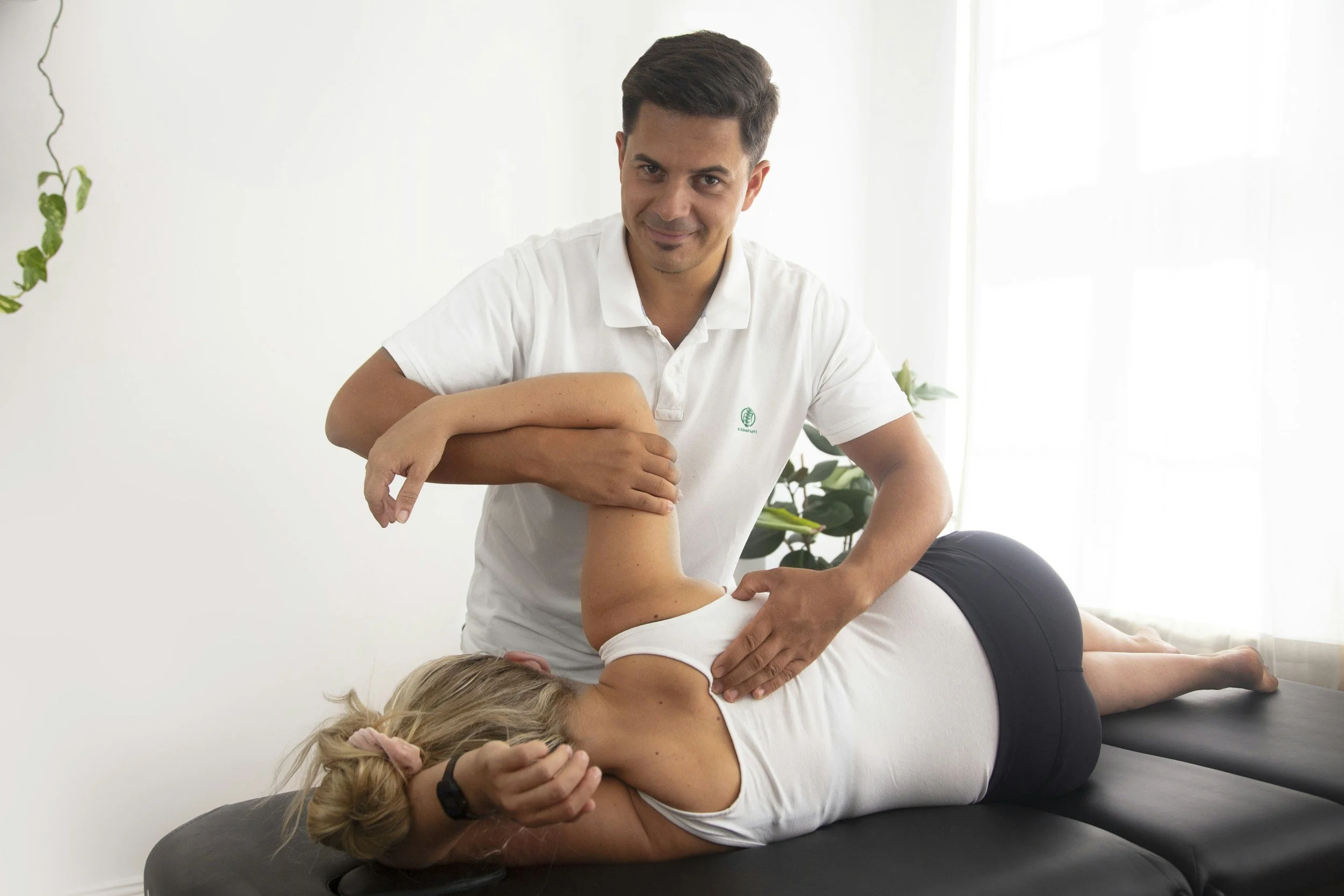
Physical therapy remains one of the most valuable pain treatments available, and for good reason. Many painful conditions are made worse by compensation patterns, weakness, stiffness, and poor joint mechanics. A skilled rehab plan can improve alignment, restore strength, and reduce the repeated stress that keeps tissues irritated.
This matters in everything from low back pain to rotator cuff dysfunction and knee tracking issues. In some patients, therapy is the primary treatment. In others, it is what makes injections or other interventions more effective over time. The trade-off is patience. Physical therapy often produces more durable results than passive treatments, but it usually requires consistency and active participation.
3. Ultrasound-guided injections for precision relief
Not all injections are equal. When pain is coming from a specific joint space, bursa, tendon sheath, or inflamed structure, ultrasound guidance can improve accuracy and help ensure medication or regenerative material is delivered where it is needed most. Precision matters, particularly in smaller joints and complex areas like the shoulder or hip.
Depending on the diagnosis, injections may be used to calm inflammation, reduce pain enough to allow rehabilitation, or support tissue recovery. The right choice depends on the condition. A patient with an acutely inflamed bursa may benefit from a different injection strategy than someone with chronic tendon degeneration. This is why imaging, examination, and physician judgment are central to good outcomes.
4. Anti-inflammatory and pain-modulating medications
Medication still has a role in modern pain care, but it should be used thoughtfully. For some patients, prescription or over-the-counter anti-inflammatory medication can help reduce a pain flare and make movement easier. In other cases, topical treatments or certain nerve-pain medications may be more appropriate than standard oral pain relievers.
The key is not to mistake symptom control for full treatment. Medication can create a window of opportunity for healing, exercise, and improved function. Used alone, it may simply mask a worsening problem. It also comes with trade-offs, including stomach irritation, cardiovascular concerns, drowsiness, or interactions with other medications. The best plan balances relief with safety.
5. Lifestyle-based treatment that lowers pain drivers
Pain is local, but it is also systemic. Excess body weight increases force through weight-bearing joints. Poor sleep raises pain sensitivity. Chronic inflammation, stress, and low activity levels can all amplify discomfort and slow recovery. That is why some of the best pain strategies do not begin with a procedure at all.
For the right patient, medical weight loss, metabolic optimization, and sleep-focused care can make a meaningful difference in joint and back pain. This is particularly true when pain has multiple contributors rather than a single isolated injury. Patients are often surprised by how much symptom improvement can follow better body composition, improved recovery, and more stable energy. It is not glamorous, but it is often powerful.
6. Bracing, offloading, and supportive devices
Sometimes the most useful treatment is the one that gives irritated tissue a break. Braces, orthotics, compression supports, and offloading devices can reduce strain on painful joints and tendons while a patient heals or rebuilds strength. In the short term, this can calm pain enough to restore daily function.
These tools are often underestimated because they seem simple. But simple does not mean ineffective. The limitation is that support devices work best when they are part of a larger plan. A brace can improve comfort during activity, but it does not correct muscle imbalance, reverse arthritis, or repair a poorly managed overuse problem by itself.
7. Telemedicine follow-up and ongoing physician supervision
Pain treatment is not just about the first visit. It is about adjusting the plan as the body responds. Follow-up matters because pain can improve, shift, or reveal a deeper issue over time. For many busy adults, telemedicine makes this process easier by allowing progress checks, medication review, symptom tracking, and treatment planning without unnecessary delays.
This convenience is especially helpful for patients balancing work, family, and recovery. It can improve adherence and help physicians catch problems early, whether that means changing a rehab plan, ordering additional diagnostics, or deciding that a more advanced intervention is needed. Premium care should feel personalized, not fragmented.
How to choose the right non-surgical pain treatment
The best treatment depends on what is actually causing the pain. Arthritis-related knee pain is different from a meniscus issue. Tendon pain behaves differently than nerve pain. Low back discomfort from muscle strain is not managed the same way as pain caused by disc irritation or referred hip dysfunction.
A good evaluation looks at several factors: where the pain is located, what triggers it, how long it has lasted, what imaging or exam findings show, and how much it is affecting daily life. It also considers the patient’s goals. Some people want to return to golf, tennis, travel, or exercise. Others simply want to sleep comfortably and walk without guarding. Those goals shape the treatment path.
When non-surgical care works best
Non-surgical treatment tends to be most effective when pain is identified early, before severe compensation patterns and advanced degeneration take over. That does not mean chronic pain cannot improve. It can. But earlier care often allows for more options and better restoration of movement.
It also works best when patients are open to combination care. A regenerative procedure may reduce pain, but rehabilitation restores mechanics. Weight loss may reduce joint load, but targeted exercise improves support around the joint. Medication may help short term, but physician-guided follow-up keeps care on track.
At a physician-led practice such as PrimeCellMed, that combination approach is often where patients see the difference. Instead of jumping from one temporary fix to another, they receive a plan designed around diagnosis, function, and long-term quality of life.
When to seek a more advanced evaluation
Pain that lasts for weeks, keeps returning, wakes you at night, or limits work and activity deserves more than guesswork. The same is true for swelling, weakness, joint instability, numbness, or pain that no longer responds to rest and standard care. These are signs that a more precise diagnosis may be needed.
The goal is not to over-treat. It is to avoid under-treating a problem that continues to steal mobility and confidence. The best non surgical pain treatments are not just about avoiding surgery. They are about restoring the ability to move well, recover well, and stay engaged in the life you want to live.
If pain has started to shape your routine, that is usually the right moment to stop chasing temporary relief and start looking for a treatment plan built around the actual source of the problem.
Frequently asked questions
What non-surgical pain relief options actually work? The most effective plans are targeted, evidence-based, and combine therapies: regenerative injection therapy, targeted physical therapy, ultrasound-guided injections, thoughtful medication, lifestyle changes that lower pain drivers, supportive bracing, and physician follow-up. What works depends on whether the source is joint, tendon, nerve, or muscle.
When should I consider non-surgical care instead of surgery? Non-surgical care is often most effective earlier, before advanced degeneration and compensation patterns take over, though chronic pain can still improve. Persistent pain, night pain, weakness, instability, or numbness are signs to get a precise evaluation rather than continue guessing.
Medical disclaimer: This article is for general educational purposes only and is not a substitute for professional medical advice, diagnosis, or treatment. Treatment options and results vary by individual. Always consult a qualified healthcare provider. To schedule a physician evaluation, contact PrimeCellMed, 2295 S Hiawassee Road, Suite 410, Orlando, FL 32835 (MetroWest, Veranda Park), Monday to Friday 10 AM to 6 PM, at primecellmed.com.